
6 Most Overlooked Signs That You Need Roof Repair ASAP
In the realm of home maintenance, the roof is often overlooked until visible damage occurs. However, there are several subtle indicators that suggest a roof needs immediate attention. This article explores some of the most neglected signs to watch for, aiming to provide homeowners with the knowledge needed to prevent costly repairs and ensure their homes remain safe and secure. Being vigilant about the state of your roof can save you from future headaches and unanticipated expenses. By focusing on early detection, homeowners can address smaller repairs before they escalate into substantial issues costing thousands of dollars.
1. Granules in the Gutter
Identifying Granules
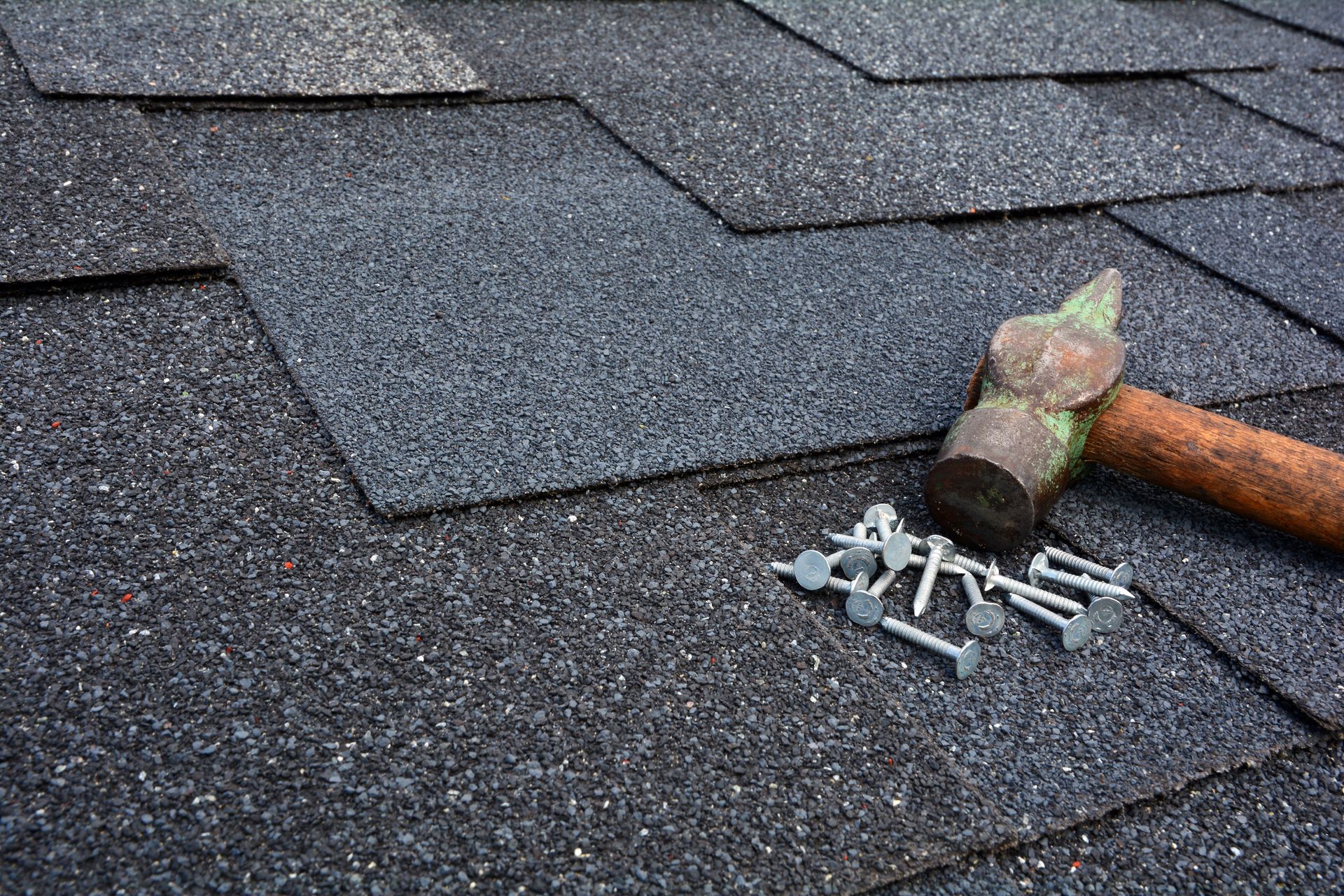
The appearance of granules in your gutters is one subtle indicator of a roofing problem. Granules, which are coarse and sand-like, are often shed from asphalt shingles as they wear down. During routine gutter cleaning, homeowners might notice these granules appearing in increasing quantities. Their presence often goes unnoticed but can be an early warning sign of shingle degradation. By recognizing this sign, homeowners can address shingle wear before it leads to bigger roofing issues.
Implications for Asphalt Roofs
Granule loss significantly impacts the lifespan and effectiveness of asphalt shingles. These tiny particles serve as a protective layer, shielding shingles from the sun's harmful ultraviolet rays. When granules are lost, shingles become more susceptible to heat damage, which can lead to premature aging and deterioration. Over time, this can result in shingles that are less effective at waterproofing, increasing the risk of leaks. Therefore, monitoring and addressing granule loss can help maintain a roof's integrity and prevent expensive repairs.
Potential Causes
Exposure to the elements, such as strong winds and harsh weather conditions, is a common cause of granule loss. Natural aging also contributes; as shingles age, they tend to shed granules more frequently. In some cases, improper installation may accelerate granule shedding, particularly if the shingles aren't securely adhered to the roof. Identifying the underlying cause is crucial for addressing the issue appropriately. Taking preventive measures, such as ensuring proper installation and choosing high-quality roofing materials, can mitigate these issues.
Inspection and Cleanup
Inspecting gutters for granules involves a careful examination, ideally during routine maintenance. Homeowners should carefully scoop out debris from the gutters and examine it for granules. During cleanup, it's essential to avoid using tools that might damage the gutters further. If granule buildup is significant, consulting with a roofing professional can provide insights into the health of your roof. Regular cleaning ensures gutters remain clear, preventing water from pooling and causing additional roof damage.
Preventive Measures
To maintain roof granules, it's advisable to schedule regular roof inspections, preferably twice a year. During these inspections, professionals can identify minor issues early before they escalate into more severe problems. Maintenance also includes promptly replacing shingles that show signs of significant granule loss. This proactive approach can extend the life of the roof, ensuring it remains durable and effective. Adopting preventive measures helps homeowners avoid costly and extensive repairs down the line.
2. Ceiling Stains and Discoloration
Recognizing Ceiling Stains
Ceiling stains often manifest as yellow or brown discolorations and can be indicative of water leaks from the roof. These stains sometimes form in ring-like patterns, becoming more apparent after heavy rainfalls. Recognizing these patterns is crucial for understanding their underlying cause. Homeowners should not ignore such stains as they often indicate more extensive issues. The presence of these stains should prompt immediate investigation to prevent further damage.
Water Pathways in Ceilings
Water often takes a complicated path before settling on ceilings, making the source of the leak challenging to identify. Initially, it might infiltrate the roof through damaged shingles or other weak points. Once inside, water travels along beams and internal structures before causing visible ceiling stains. Understanding these pathways is essential for locating the source of the leak accurately. Pinpointing the issue can help in executing effective roof repair strategies and preventing recurring problems.
Possible Hidden Damage
Besides discoloration, ceiling stains might indicate hidden structural issues, such as damaged insulation or mold growth. Water intrusion can degrade insulation materials, reducing their effectiveness and compromising energy efficiency. Mold growth is another serious concern, potentially leading to health issues for the household. It's vital to address these problems promptly, often necessitating professional assessment and repair services. Addressing hidden damage comprehensively can prevent further complications and ensure a healthy living environment.
Assessment and Repair Strategies
Assessing the extent of damage involves identifying both visible stains and potential underlying issues. Homeowners should inspect the area thoroughly and consider hiring a professional if extensive damage is suspected. Effective repair strategies might include sealing leaks, replacing damaged materials, and applying anti-mold treatments. Addressing the root of the problem is crucial to prevent future leaks and further discoloration. Timely repair can also save homeowners thousands in more significant structural damage repairs.
Prevention to Avoid Future Issues
Preventing ceiling stains starts with proactive roof maintenance and regular checks for leaks. Sealing existing leaks and ensuring the roof covering is intact are key preventive measures. Additionally, ongoing maintenance, including removing debris and ensuring proper drainage, can minimize leak risks. Investing in quality roofing materials also enhances durability and resilience against inclement weather. By adopting these preventive strategies, homeowners can avert future ceiling damage and maintain their home's integrity.
3. Damaged or Missing Shingles
Spotting Shingle Damage
Regular inspections are crucial for identifying damaged or missing shingles, which are common roofing issues. Homeowners should look for signs such as curling, cracking, or absent shingles in particular roof areas. These issues may not seem significant individually but collectively can compromise the roof's performance. Identifying and rectifying shingle damage early is essential to maintaining a waterproof and secure roof. By addressing these concerns promptly, homeowners can prevent more severe roofing problems.
Reasons for Shingle Deterioration
Weather events, such as strong winds and hail, are frequent culprits behind shingle damage. Poor maintenance, including neglecting routine inspections and repairs, can exacerbate deterioration. Additionally, shingles have a natural lifespan, and aging inevitably leads to material breakdown. Understanding these reasons helps homeowners anticipate potential issues and implement timely interventions. Adopting preventive measures can significantly enhance the roof's durability and longevity.
Effects on Roof Integrity
Damaged or missing shingles can severely compromise a roof's integrity, leading to leaks and structural vulnerabilities. When shingles fail to protect the roof adequately, water infiltration becomes a serious concern, affecting insulation and internal structures. The overall waterproofing capability of the roof is diminished, increasing the likelihood of damage to the home's interior. Addressing shingle issues promptly ensures the roof continues to offer necessary protection. By maintaining shingle integrity, homeowners safeguard their property and avoid extensive repairs.
Shingle Replacement Techniques
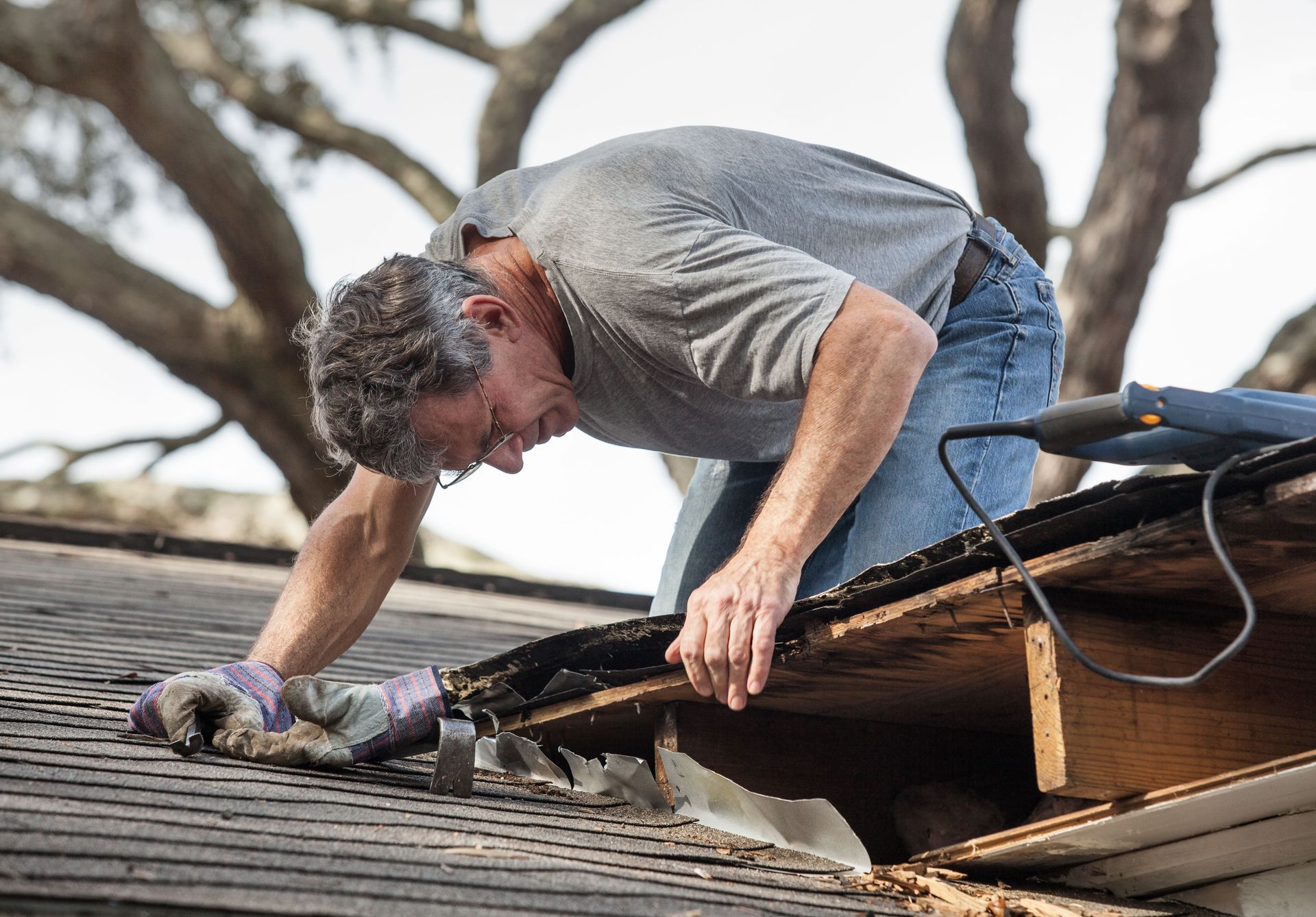
Replacing damaged or missing shingles is a straightforward process that can be handled by handy homeowners or professional roofers. It involves removing the compromised shingle, applying a new one with roofing nails, and sealing the edges with asphalt cement. Care should be taken to match the replacement shingle with existing ones to maintain aesthetic consistency. Following a meticulous approach ensures a seamless roof repair that enhances durability. This proactive approach mitigates the risk of further complications, preserving the roof's longevity.
Choosing Durable Shingles
When considering shingle replacement, choosing durable materials is vital for long-lasting performance. Homeowners should opt for high-quality shingles that withstand harsh weather conditions and have proven resistance to wear and tear. Asphalt shingles with enhanced granule adhesion or impact-resistant options can offer more durability. Consulting professionals for advice on suitable materials based on the local climate can be beneficial. Investing in quality shingles effectively reduces future repair needs and extends the roof's lifespan.
4. Sagging Roof Deck
Causes of Roof Deck Sagging
Sagging roof decks can be caused by several factors, including prolonged water damage and structural weakness. Excessive weight from heavy snowfalls or debris can also strain the roof's structure, causing it to sag over time. Identifying the primary cause of sagging is crucial for implementing effective repairs. Prolonged sagging poses several risks, including ceiling collapse and substantial structural damage. Timely intervention is essential to mitigate these risks and restore the roof's integrity.
Spotting Sagging Roof Decks
Identifying sagging roof decks involves inspecting both the interior and exterior of the home for signs of damage. From the exterior, visible dips or uneven roof lines can indicate sagging. Inside the home, any noticeable bowing in ceiling materials might be indicative of a sagging roof deck. These indicators shouldn't be ignored, as they can signal serious structural issues requiring immediate action. Regular home inspections can help detect sagging decks early, allowing for prompt repairs.
Risks of Ignoring a Sagging Roof
Ignoring a sagging roof can result in severe consequences, including roof collapse and extensive property damage. The potential financial impact from structural failures far exceeds the cost of timely repairs. Homeowners might also face safety hazards, as a weakened roof structure can threaten the household's well-being. Additionally, ongoing sagging can exacerbate existing damages, leading to increased repair costs. Immediate attention is needed to address sagging roofs and avert disastrous outcomes.
Immediate Actions to Take
Upon noticing a sagging roof, homeowners should take immediate steps to secure the area and prevent further damage. This might involve temporarily reinforcing the affected area to enhance safety until professional help arrives. It may also be necessary to remove excess weight from the roof, such as accumulated snow or debris. Ensuring the safety of the household is the top priority before engaging in repair efforts. Promptly contacting roofing professionals ensures comprehensive assessments and efficient repair solutions.
Professional Repair Options
Professional repair options for sagging roofs include reinforcing the roof structure and replacing compromised components. Roofing contractors can evaluate the extent of the damage and recommend suitable repair strategies. Structural reinforcements, such as adding additional support beams, are often necessary to restore the roof's strength. In some cases, complete roof replacement may be advisable for severely sagging structures. Consulting experienced professionals guarantees effective solutions tailored to the specific issues of your roof.
5. Moss and Algae Growth
Identifying Moss and Algae
Moss and algae growth on roofs is a common issue, particularly in moist, shaded areas. These growths are easy to identify, with moss appearing as thick green patches and algae forming dark streaks on the shingles. While they might seem harmless, prolonged growths can compromise the roof's functionality. They can retain moisture, leading to shingle decay and reducing the roof's lifespan. Addressing these growths is essential for maintaining a resilient and attractive roof.
Consequences for Roof Longevity
The presence of moss and algae can significantly impact a roof's longevity by retaining moisture and accelerating shingle degradation. Moisture trapped by these growths can lead to wood rot in the roof deck and deterioration of the shingles themselves. Over time, this compromised state can lead to more frequent and severe leaks, necessitating extensive repairs. Proactively managing these growths protects the roof from unnecessary wear and extends its usable life. Timely removal ensures the roof remains safe, effective, and visually appealing.
Causes and Conditions for Growth
Moss and algae thrive under certain conditions, such as persistent shade and ample moisture. Roofs situated under large trees or in climates with high humidity are particularly susceptible to these growths. Overhanging branches can cast lingering shadows, providing ideal conditions for moss to prosper. Understanding these conditions allows homeowners to address environmental factors contributing to growth. Simple actions, like trimming overhanging branches and improving sunlight exposure, can help deter future growth.
Removal and Cleaning Methods
Removing moss and algae involves safe cleaning techniques to avoid damaging the roof further. Soft brushing and washing with a mild cleaning solution are recommended to gently remove these growths. Chemical treatments can also be applied with care, ensuring compatibility with roofing materials. It's important to avoid high-pressure washing, which can strip shingles of protective granules and accelerate damage. Professional cleaning services can offer effective and safe solutions for extensive growth problems.
Preventive Landscaping and Maintenance
Preventive landscaping, such as tree trimming and planting low-moisture vegetation, aids in reducing moss and algae growth conditions. Enhancing roof maintenance by cleaning debris and ensuring excellent drainage further prevents growth recurrence. Installing zinc or copper strips at the roof's ridge can also help, as rainwater passing over these metals creates a moss-inhibiting coating. Adopting these strategies supports a healthy roof environment and prevents issues from escalating. Combined with regular inspections, they offer comprehensive protection against unwanted growths.
6. Increased Energy Bills
Link Between Roof Condition and Energy Efficiency
The condition of a roof significantly influences a home's energy efficiency, impacting heating and cooling costs. Damaged roofs allow hot and cold air transference, leading to increased reliance on HVAC systems. This inefficiency is often reflected in higher energy bills, as the home's climate control becomes less effective. Regular roof maintenance is essential in maintaining energy efficiency and controlling utility costs. Understanding the link between roof health and energy bills underscores the need for timely roof repair and inspections.
Identifying Areas of Heat Loss
Identifying areas of heat loss within a roof involves checking for visible damages and using tools like thermal imaging. Drafty spots or areas of significant temperature variation might indicate insulation or roofing issues. These inspections help pinpoint specific areas that contribute to inefficiency, guiding necessary roof repair actions. Addressing these problematic areas can restore the roof's insulating efficiency and reduce energy consumption. Ongoing monitoring is vital for maintaining a consistent, comfortable home environment.
Potential Roof Insulation Issues
Insulation issues often arise from roof damage, such as leaks or compromised shingles, which reduce its effectiveness. Damaged insulation permits uncontrolled heat flow, reducing the home's ability to maintain a stable indoor temperature. According to HomeGuide, roof repairs to address such issues can be as low as $75 for basic fixes, but may exceed $6,000 for extensive damage. Identifying and fixing insulation problems is crucial for ensuring comfort and cost-efficiency in home heating and cooling. Proactive measures safeguard against escalating roof repair costs and inefficiency.
Energy-Saving Roof Solutions
Enhancing a roof's energy efficiency can involve retrofitting with energy-saving solutions and materials. Installing reflective roof coatings, improving insulation, and using energy-efficient shingles can make significant impacts. These solutions reduce the roof's heat absorption, aiding in maintaining a cool interior climate. Upgrading the roof with modern materials also generally involves a positive return on investment, reflected in lower energy bills. Strategic enhancements contribute to a more sustainable and cost-effective home environment.
Evaluating Cost vs. Savings
When considering roof repair and upgrades, it's important to evaluate the cost versus potential energy savings. Energy-efficient solutions might require a higher initial investment, but they can lead to substantial long-term savings. Lower energy bills, increased property value, and extended roof lifespan offer considerable incentives for energy-efficient choices. By assessing potential savings, homeowners can make informed decisions that benefit their financial and environmental goals. Careful investment in roof health today can yield enduring benefits tomorrow.
Understanding the often overlooked signs of roof damage is crucial for preventing extensive and expensive repairs. By being proactive and addressing issues like granule loss, ceiling stains, damaged shingles, sagging decks, moss growth, and increased energy bills, homeowners can maintain their roof's integrity and extend its lifespan—ultimately ensuring the safety and comfort of their household. Regular inspection, maintenance, and timely repairs protect against potential hazards and financial burdens. By investing in their roof's health, homeowners contribute to a safer, more efficient, and comfortable living environment. Keeping a vigilant eye on these overlooked signs fosters long-term satisfaction and peace of mind. If you're looking for a roof repair, contact Reliable Residential Roofing today.
Share On: