
Repair or Replace: What to Do with a Roof Leak
Dealing with a leaking roof is a daunting task for any homeowner. Understanding when to repair a leak or opt for a full roof replacement can save money and prevent further damage. This decision depends on multiple factors, such as the extent of damage, the age of the roof, and the financial implications. Making an informed choice requires a detailed assessment of the current state of the roof and understanding the potential consequences of both options. In this article, we explore the crucial considerations one must evaluate when faced with a roof leak.
Assessing the Damage
Visual Inspection
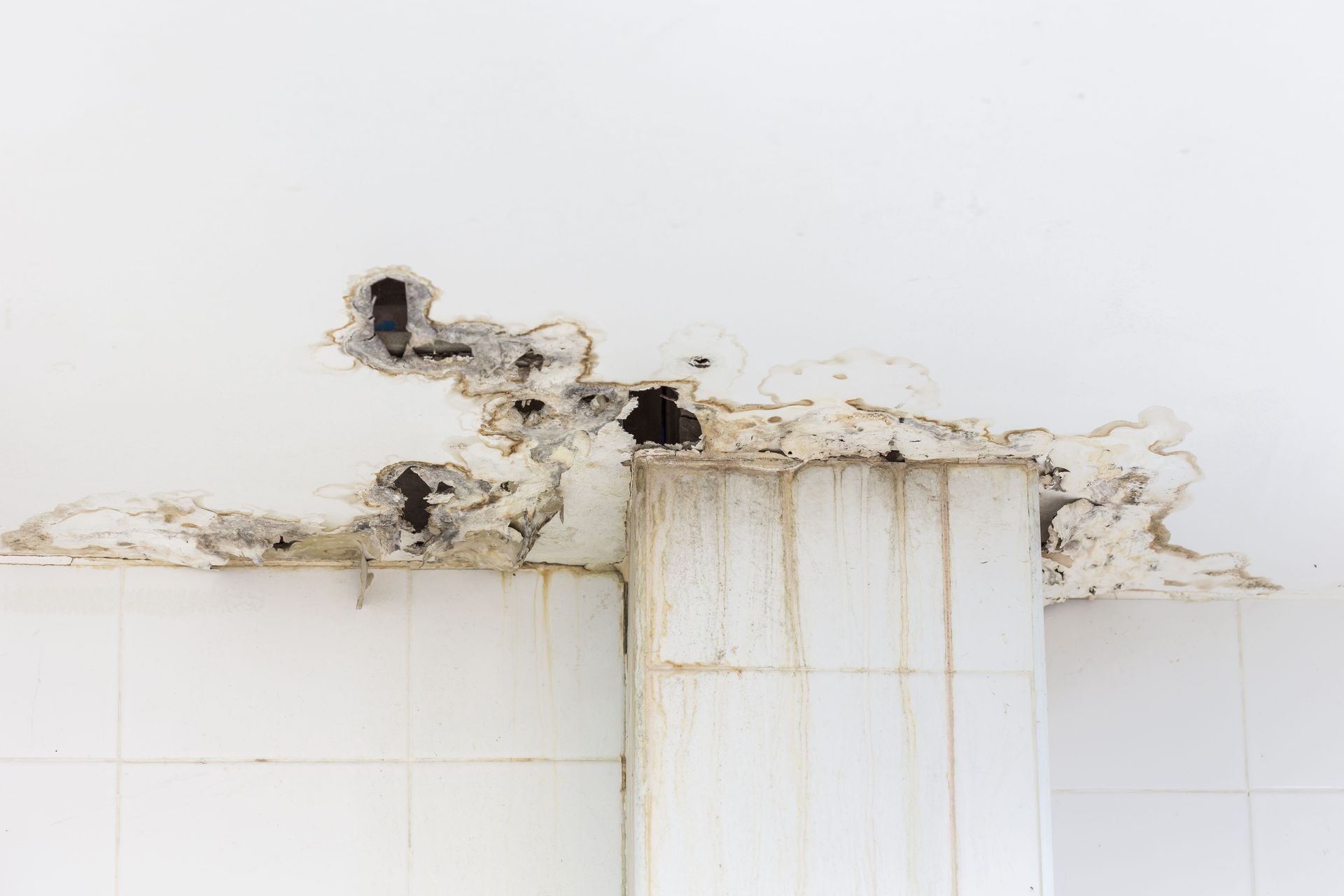
The first step in addressing a roof leak is securing a comprehensive professional inspection. To ensure a proper assessment and prevent small issues from escalating into major roof leak repairs, it is vital to have an expert navigate the roof's surface. Professionals are equipped to safely identify subtle punctures, hidden soft spots, and compromised drainage systems that are invisible to the untrained eye. The stakes are undeniably high; according to RubyHome, 33% of homeowners replace their roofs due to leaks, making a professional evaluation your best defense against becoming part of that statistic.
The Role of a Professional Inspection
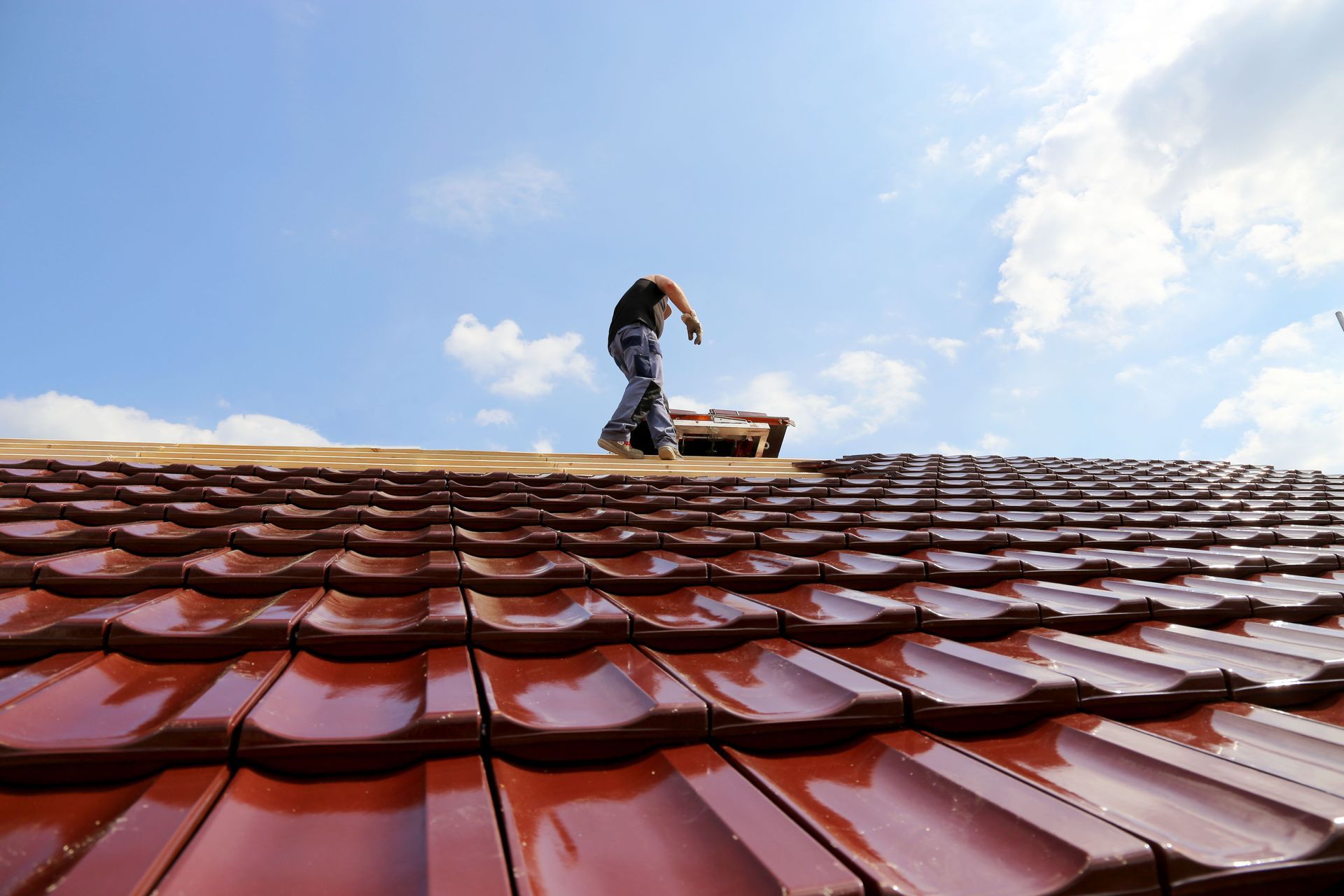
A professional roof inspection offers a comprehensive evaluation that enhances decision-making. Qualified roofers can assess areas that are inaccessible or unsafe for homeowners to navigate. They are trained to identify less obvious but significant issues, such as material deterioration or improper installation. Employing advanced tools, professionals can carry out infrared scans to detect hidden leaks or weak spots. This thorough inspection forms the foundation for an informed repair or replacement decision.
Engaging a professional provides a clearer picture of potential costs and the necessary time for repairs. With expert insight, homeowners can avoid the pitfalls of underestimating the repair scope or investing money into ineffective solutions. Roofers often provide detailed reports that specify damage extent, urgency, and recommended actions. These insights are crucial for prioritizing tasks and conserving resources, guiding whether an immediate roof leak repair or entire roof replacement is warranted. Leveraging professional knowledge ensures that any intervention undertaken is effective and value-adding.
Identifying Common Culprits Causing Leaks
Identifying the root cause of the leakage is essential to solving the problem effectively. Leaks can stem from various sources, including damaged shingles, compromised flashing, or clogged gutters. Each issue presents different levels of urgency and repair complexity. For example, missing shingles after a storm might demand immediate repair, whereas minor flashing damage may be temporarily managed with caulking. Understanding these nuances helps tailor the intervention to effectively halt or prevent water ingress.
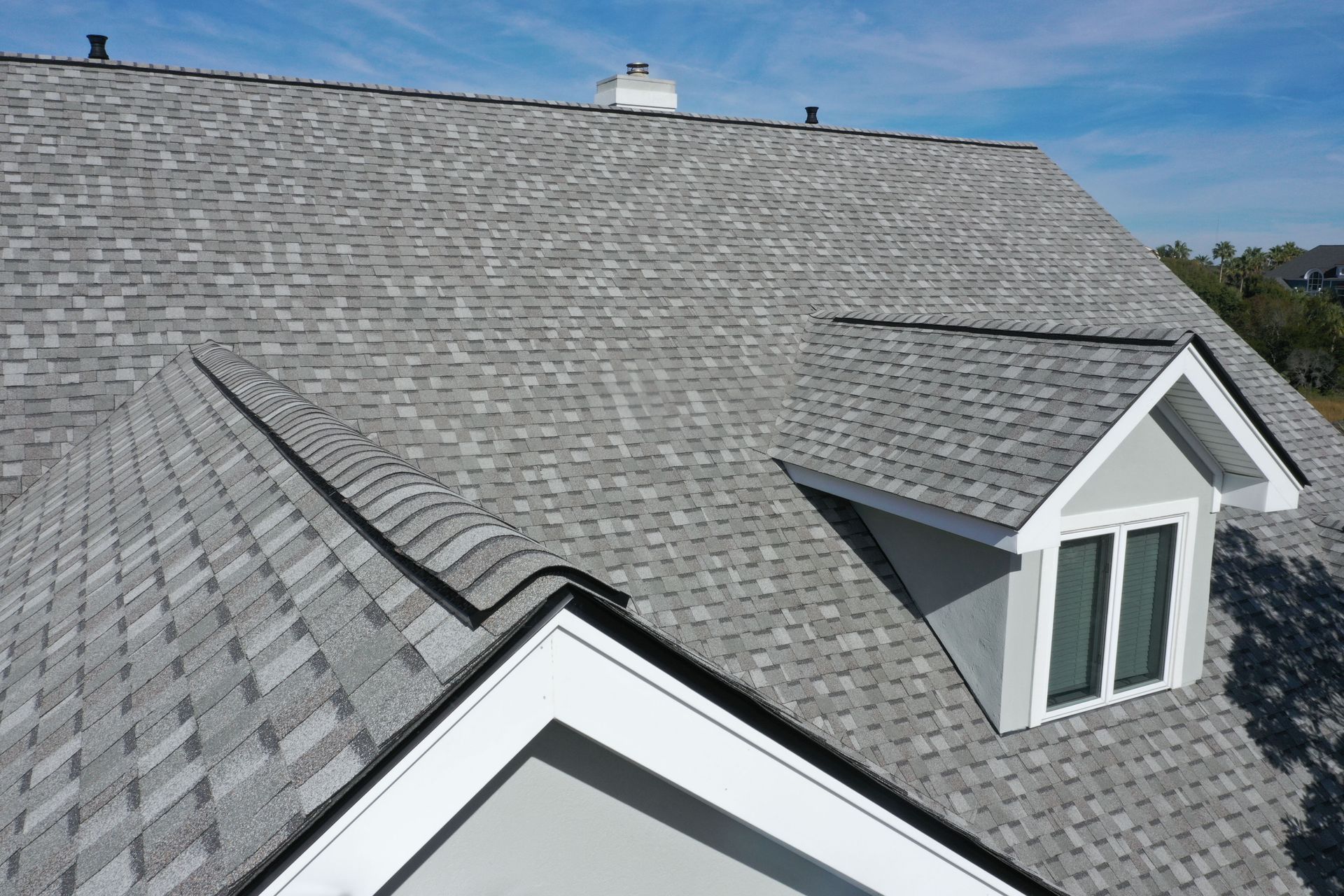
Shingle damage is often the primary cause of roof leaks. Age, wear, and exposure to harsh weather can progressively degrade shingle integrity. Wind can displace and detach them, allowing water penetration. Alternatively, cracked flashing often results from metal contraction and expansion with temperature changes. Regular inspection and timely maintenance help mitigate such issues before they worsen and necessitate larger-scale repairs or replacements.
Determining the Age and Lifespan of the Roof
Understanding Different Roofing Materials
Material choice affects not only longevity but also maintenance commitments. For instance, asphalt shingles may require regular inspections due to their susceptibility to weather damage. Metal roofs, conversely, offer a degree of self-protection against rust and weathering. Understanding these dynamics aids homeowners in weighing the trade-offs of initial and running costs against longevity. Selecting the right material aligned with household priorities ensures comfort, protection, and value retention.
The choice of materials might also be influenced by geographic and environmental factors. Hot climates may require materials capable of resisting thermal expansion, while cold areas need systems effective against ice dam formation. Coastal homes must endure salt air corrosion, favoring durable metal or tile materials over asphalt. Aligning roofing materials with environmental conditions ensures year-round protection. Therefore, understanding material characteristics and their best applications guides informed and effective roofing decisions.
Average Lifespan Based on Material
Despite varying longevities, proper maintenance can extend a roof's functional life. Periodic sealing, proactive repairs, and inspections can prevent premature aging. Asphalt shingles maintained against algae and moss growth without pressure washing can notably reach top-end estimates. Similarly, maintenance efforts for tiles include replacing cracked pieces and safeguarding against vegetation disturbances. Investing in maintenance culture forms part of a longer-term commitment to the roof's health.
Understanding material-specific lifecycle stages equips homeowners to observe impending failure signs. Asphalt shingles losing granule layers or metal roofs exhibiting rust might underlie structural concerns, suggesting replacement timing. Benchmarking roof age against material longevity estimates guides maintenance, repair, or replacement strategies. Combining longevity assessments with age offers clearer insights to responsibly forecast necessary roof interventions. An informed strategy ahead of time conserves resources and sustains roofing quality.
Signs of Aging in Roofing Materials
One clear indicator that a roof requires roof leak repair or replacement is the presence of aging signs in roofing materials. Loss of granules in asphalt shingles is notable; as protective granules wear away, the shingles become susceptible to UV exposure and deterioration. Curling or buckling shingles also signals aging, where prolonged exposure to heat prompts material warping. Roof leaks can likewise increase alongside these symptoms, contributing to interior water damage and mold formation. Regular inspections for aging signs ensure timely interventions to mitigate additional damage.
Misshapen or significantly faded shingles suggest aged compositions requiring roof leak repair or replacement. Cracks or rust on metal materials indicate aging processes, pointing towards the potential for further damage. Both scenarios necessitate early address; identifying and contrasting roof age against warranty periods provides benchmarks for potential warranty claims. Regular vigilance in detecting these aging symptoms maximizes investment value, prolonging roofing systems' operational timeframes.
Comparing Costs: Repair vs. Replacement
Cost Analysis of Roof Repair
When faced with a roof leak, one cost-efficient option many homeowners consider is roof leak repair. Repair expenses typically range from minor to moderate based on issue complexity. However, repairs incur periodic expense repetition, especially if small issues continue appearing intermittently. Roofers' rates, material type, and geographic expenses further influence totals.
Localized repairs may initially appear attractive financially due to immediate lower costs compared to replacements. However, when total climbing repair costs surpass replacement expenses cumulatively, judicious evaluation favors repair rejection over replacement. Leaks repeatedly hardened instead of resolved signify persistent cost recurrence, defeating economic rationales such that full roof kilometeral reinforcement rectifies root defects. Therefore, understanding comprehensive outlay dimensions aids critical financial assessments, promoting informed forward planning agreements.
Roof Replacement Expenses Breakdown
A thorough analysis is necessary for roof replacement expenses to illuminate its potential as a long-term solution compared to piecemeal repairs. Replacement estimates commonly involve labor, materials, disposal, permit, and other substantive costs. Unforeseen tasks arising during replacements predict supply loads, requiring allocation to preempt service disruptions. Crafting complete expense projections facilitates informed, comprehensive judgment amidst associated options.
Replacement expenses dictate the balance between existing condition indications versus future guarantees, reliably weighing perceived benefits against current thresholds. Reservations forecast cost factors translating optimistic procurement decades. With anticipated laborious outcomes, substituting capital outlay remains viable in protecting future time horizons.
Long-term Financial Implications
The financial perspectives regarding roof leak repair versus replacement distinctly emphasize planning comparative assessment scenarios. Beyond equivalent initial allocations, replacements afford long-range asset inclusion against progressing tercilised restructuring. Through extensive lifespan reincorporation point benefits guarantee internal value recognition boost towards genuine substantive evaluations during purchase alternatives consideration, emphasizing chronic durability. systematic replacement proves preferable when pre-determined priorities signal benefits outweigh negative pressures over term deductions.
Deciding between temporary fixes and a permanent solution is the most critical step in maintaining your home's structural integrity. While minor issues can often be resolved with a targeted roof leak repair, persistent or widespread damage typically signals that a full replacement is the more cost-effective long-term investment. By weighing the age of your materials against the frequency of leaks, you can choose the path that best protects your property and your finances. Ultimately, a proactive approach ensures that your home remains a dry, safe, and valuable asset for years to come. Don’t let a small drip turn into a major disaster. Contact Reliable Residential Roofing today!
Share On: