
3 Reasons Why You Should Never Delay Roofing Repairs
A home’s roof serves as the primary barrier against environmental elements, yet it is frequently neglected until a severe problem manifests. Many property owners postpone necessary maintenance under the assumption that slight shingle degradation or isolated drips can wait for a more convenient season. Delaying these vital services rarely saves money; instead, it often turns manageable corrections into catastrophic expenses. When property owners fail to schedule local roofing repairs in a timely manner, minor vulnerabilities quickly compromise the entire building envelope. Addressing these issues immediately protects the physical structure, shields household budgets, and safeguards the property value of the residence over time.
Every home requires vigilant upkeep to withstand severe storms, fluctuating temperatures, and regular wear. Neglecting the roof introduces moisture into critical framing members, degrades insulation materials, and lowers indoor air quality. By contrast, scheduling local roofing repairs at the first indication of failure halts the progression of deterioration before water intrudes into living spaces. Whether dealing with damaged flashing, loose tiles, or compromised underlayment, proactive maintenance preserves the asset's structural integrity. Understanding the immediate and long-term consequences of deferring maintenance helps homeowners make informed decisions regarding their property care strategies.
1. Preventing Expensive Structural Damage
Protecting Core Structural Integrity
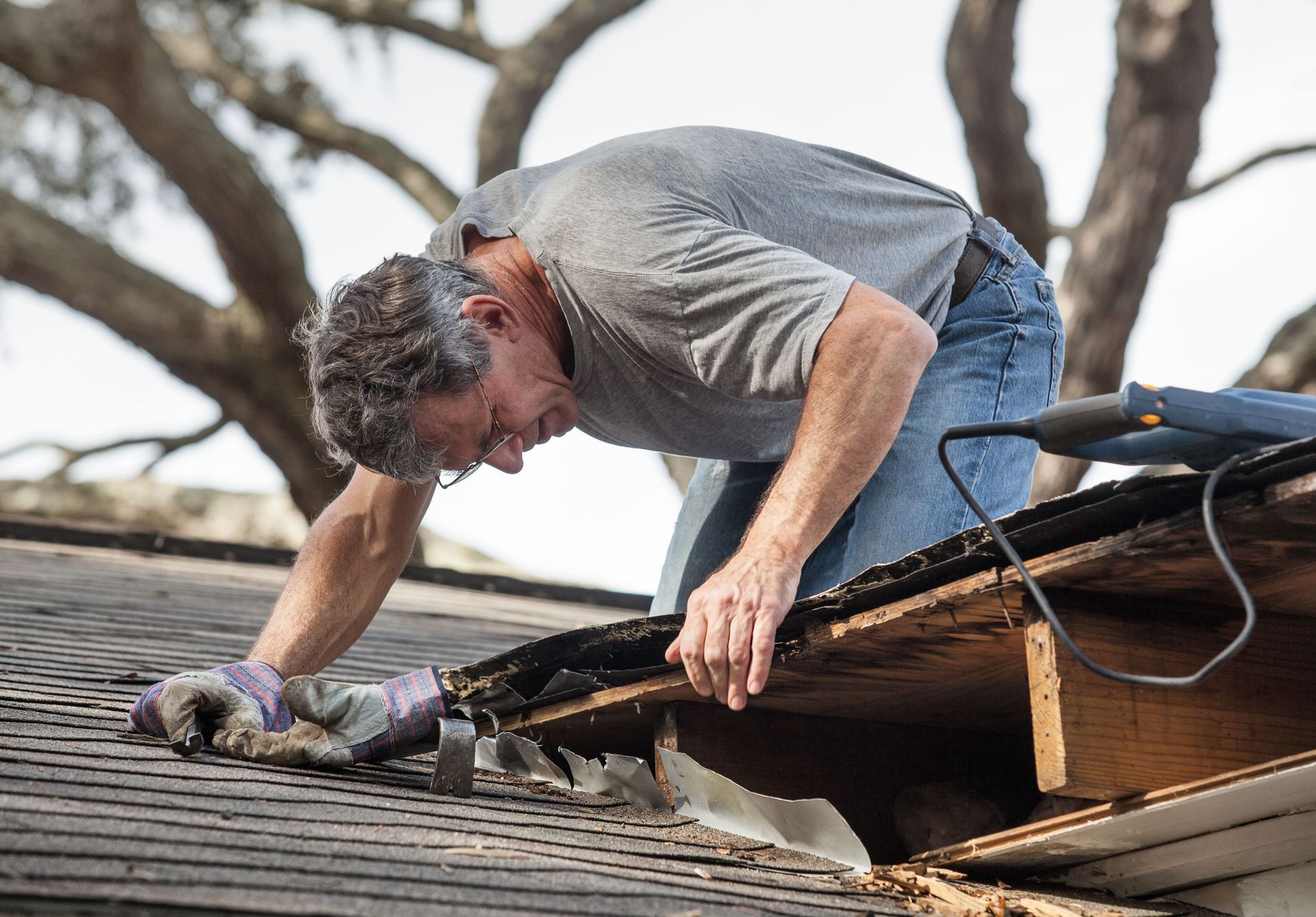
The structural framework of any house depends on a watertight roofing system to remain sound. When shingles fail and moisture penetrates the deck, water tracks along rafters, ceiling joists, and wall studs. Over time, continuous moisture saturation promotes dry rot in wooden load-bearing members and accelerates the corrosion of metal connectors, framing anchors, and fasteners. Failing to book local roofing repairs when moisture signs first appear can destabilize essential support networks. Restoring damaged structural timbers requires extensive carpentry and internal demolition, transforming a minor exterior job into a disruptive, high-cost overhaul.
Stopping Escalating Remediation Expenses
Isolated roof defects, such as a cracked flashing collar or a missing architectural shingle, are straightforward and economical to resolve. Allowing these initial flaws to linger, however, invites moisture infiltration across widespread sections of roof sheathing and interior ceilings. According to This Old House, proper maintenance, including regular inspections and making small repairs immediately, can extend a roof's life by five to 10 years beyond its expected lifespan. Investing early in local roofing repairs eliminates progressive secondary damage, ensuring that standard maintenance costs remain predictable rather than inflating into full-scale structural replacements.
Preserving Finished Interior Living Spaces
Water penetration does not stop at the attic floor; it routinely migrates into finished living areas below. Infiltrating water saturates drywall, causes decorative plaster to crumble, peels paint, and leaves noticeable brown staining across ceilings. Beyond cosmetic damage, persistent dampness creates an ideal breeding ground for toxic molds within wall cavities. Arranging local roofing repairs promptly prevents interior contamination, eliminating the need to tear out soaked drywall, replace expensive flooring, or pay for professional environmental mold remediation inside the residence.
Maintaining Thermal Insulation Performance
Saturated attic insulation rapidly loses its ability to resist thermal transfer, compromising the home's building envelope. Materials such as fiberglass and cellulose compress when wet, destroying the air pockets necessary to retard heat transfer between conditioned living areas and the attic space. Consequently, the HVAC system must operate continuously to offset thermal leakage through damp ceilings, causing monthly utility expenses to climb. Conducting local roofing repairs quickly keeps insulation dry, preserves installed R-values, and eliminates the substantial expense of extracting and replacing contaminated insulation battens.
2. Eliminating Severe Household Safety Hazards
Mitigating Roof Deck Collapse Risks
The accumulation of unaddressed water saturation severely degrades the load-bearing capacity of oriented strand board (OSB) and plywood decking. During periods of heavy winter snowfall, accumulated ice dams, or extreme storm conditions, rotted decking can buckle beneath the overhead weight. Structural roof collapses threaten the physical safety of occupants below and destroy personal possessions inside the residence. Prioritizing immediate local roofing repairs eliminates rotted decking early, ensuring the roof frame can support maximum seasonal load capacities safely.
Preventing Electrical and Fire Hazards
Water intrusion creates dangerous interactions when it reaches residential electrical infrastructure within attic spaces and exterior walls. Moisture dripping onto junction boxes, exposed wiring, recessed lighting cans, or security systems can cause short circuits, blown breakers, and localized electrical arcs. Under certain conditions, arcing within damp wooden framing can ignite structural fires. Promptly initiating local roofing repairs keeps moisture isolated from electrical conduits, preserving electrical stability and removing an avoidable fire hazard from the residence.
Eliminating High-Risk Falling Debris
Deteriorated roof sections often shed materials during high-wind storms, creating hazards around the property perimeter. Cracked slate tiles, degraded asphalt shingles, rusted metal panels, and loose chimney bricks can detach and fall into walkways, patios, or driveways below. These falling objects present serious injury risks to residents, visitors, and pets, while also threatening parked vehicles. Proactive local roofing repairs securely fasten or replace compromised components, mitigating personal injury liability and keeping outdoor living zones safe in blustery conditions.
Preventing Unwanted Pest Infestations
Soft, water-rotted fascia boards, soffits, and roof decking provide an easy point of entry for household pests seeking shelter. Rodents, squirrels, bats, and raccoons easily tear through softened timber to establish nests within attic insulation, where they chew through electrical wiring and spread pathogens. Furthermore, damp wood attracts destructive wood-boring insects such as carpenter ants and termites. Securing comprehensive local roofing repairs seals these entry gaps, keeping the home protected against damaging animal intrusions and structural insect infestations.
3. Improving Household Energy Efficiency
Reducing Uncontrolled Thermal Heat Loss
Compromised roofing structures create drafts and thermal bypasses that allow heated indoor air to escape rapidly during colder months. Gaps around roof valleys, vents, and deteriorated underlayment permit winter drafts to enter, creating temperature imbalances throughout the upper living areas. When cold air infiltrates through a neglected roof, furnaces must run longer cycles to maintain target thermostat temperatures. Booking local roofing repairs seals these breaches, retaining conditioned heat inside the living spaces and lowering winter energy expenses.
Optimizing Warm-Weather Cooling Performance
During hot summer months, damaged roofs and poorly ventilated attics trap superheated air directly above residential ceilings. Temperatures in unventilated attics can easily exceed safe operating thresholds, radiating heat downward into living areas and placing immense operational strain on central air conditioning compressors. Prompt attention through professional local roofing repairs restores proper ridge ventilation and attic sealing, allowing heat to exhaust properly. This reduces indoor cooling loads and protects expensive air conditioning components from early mechanical breakdown.
Stabilizing Monthly Household Utility Expenses
Thermal inefficiency directly inflates monthly utility bills throughout the year. When an impaired roof breaches the building envelope, heating and cooling equipment must work harder to counteract ambient air exchange. This constant energy demand drives up monthly electricity and natural gas bills, placing unnecessary financial strain on homeowners. By completing necessary local roofing repairs, property owners restore the designed thermal efficiency of their house, stabilizing monthly utility bills and minimizing wasted energy.
Proactive roof maintenance remains one of the smartest investments a property owner can make to protect their home. Postponing needed work allows minor material flaws to escalate into structural rot, mold infestation, insulation failure, and compromised indoor safety. Timely intervention safeguards financial equity, preserves property values, and ensures the continuous comfort of all household occupants. By working with skilled specialists to manage local roofing repairs, homeowners protect their investment against the elements, maximize the lifespan of their roofing system, and maintain peace of mind through every season. Contact Reliable Residential Roofing today to get started.
Share On: